
Feeling pressure to plan your year before it even begins? Here’s why December or January isn’t the only time for goal setting — and why you might do your best planning later.
Introduction: The December Planning Pressure
December arrives, and suddenly the internet transforms into a productivity bootcamp.
Everywhere you look, people are sharing their goals for the next year. Vision boards, planners, and “year in review” posts fill your feed. You start to wonder — should I be doing that too?
It can feel like everyone else already has their life neatly mapped out while you’re still wrapping gifts and trying to remember what day it is. The unspoken message? If you don’t have your next twelve months perfectly planned by December 31st, you’re somehow falling behind.
But here’s the truth no one says loudly enough: you don’t have to plan your entire year in December. In fact, it might even be better if you don’t.
1. The Myth of the Perfectly Planned Year
We’ve built a culture obsessed with control — and annual planning plays right into that.
We love the idea that if we just craft the perfect plan, we can guarantee success, productivity, and personal growth. But life rarely unrolls according to our spreadsheets. Plans shift, priorities evolve, and sometimes the most meaningful moments aren’t the ones we planned at all.
This myth — that “successful” people start the year with their blueprint complete — creates unnecessary pressure. True success often comes from adaptability, not rigid foresight.
Think about it: the past few years have taught us that predictability is more illusion than fact. The most resilient people weren’t the best planners — they were the best adjusters.
2. The Downsides of Overplanning
While structure can be helpful, too much of it can suffocate creativity.
When you plan every month, milestone, and project in one sitting, you leave little room for surprise, intuition, or rest. You end up chasing plans that no longer fit the person you’ve become halfway through the year.
Overplanning also invites guilt. When life inevitably derails even one goal, you might feel like a failure — not because you didn’t succeed, but because your expectations were unrealistic to begin with.
There’s also the cognitive load factor — our brains aren’t wired to maintain high-level motivation for 12 months straight. The further your plans stretch into the future, the less emotionally connected you feel to them. That’s why so many January lists fizzle by March.
What if that’s not a personal flaw, but a design flaw in the way we plan?
3. December Might Not Be the Best Time to Plan
Let’s be honest — December is beautiful, but it’s also heavy. It’s a month full of emotional reflection, social commitments, and year-end fatigue. You’re wrapping up work projects, attending family gatherings, managing finances, and trying to squeeze in a sense of peace amidst the chaos.
That’s not exactly the ideal headspace for thoughtful planning.
You might feel rushed to make big life decisions when what you really need is rest. Planning when you’re mentally exhausted is like trying to paint with an empty brush — it doesn’t flow.
Instead, give yourself permission to wait.
Use December for reflection. Ask yourself gentle questions like:
- What felt nourishing this year?
- What drained my energy?
- What would I like more of in the months ahead?
Then, when you’ve had some rest and clarity — perhaps in mid-January or even February — you can plan from a place of insight, not burnout.
4. The Case for Seasonal or Quarterly Planning
If year-long planning feels overwhelming (and often futile), try seasonal or quarterly planning instead.
Every three months, pause to reflect, reassess, and update your vision. This approach mimics natural cycles — spring for beginnings, summer for momentum, autumn for focus, winter for rest.
Here’s why it works:
- It keeps goals relevant. You’re planning based on who you are now, not who you were last December.
- It builds flexibility. You can pivot easily when circumstances change.
- It reduces pressure. Smaller chunks feel more achievable — and you get four fresh starts a year instead of one.
Example:
Instead of setting a vague yearlong goal like “be healthier,” you could begin Q1 with “walk 3x a week,” Q2 with “add strength training,” and so on. Each builds on the last, but allows space to re-evaluate.
5. Planning with Ease Instead of Pressure
If you love the ritual of planning, you don’t have to abandon it — you just need to approach it differently. Here are some gentle ways to take the stress out of it:
1. Reflect Before You Plan
Before jumping into new goals, look backward. What energized you? What drained you?
Honest reflection brings clarity — and sometimes, the best goal is simply to keep doing what’s already working.
2. Choose a Theme or “North Star”
Instead of crafting dozens of outcomes, anchor your year around one guiding word or theme — like ease, courage, or connection.
This creates alignment without rigidity.
3. Plan in Layers, Not Lines
Rather than mapping every detail now, build your plan like watercolor — add strokes slowly.
4. Make Room for the Unexpected
Leave open blocks in your year — both literal (unscheduled weekends) and mental (possibility space).
Life thrives in the margins.
5. Reflect Regularly (Not Just Annually)
Set monthly check-ins with yourself to ask:
“What’s working? What’s not?”
Let your plan evolve with you.
6. Permission to Wait
This may be the most revolutionary idea of all: it’s okay not to plan your year right now.
There’s no finish line waiting for you on January 1st. The world doesn’t hand out extra credit for premature organization.
Sometimes, clarity arrives slowly — in the quiet days of February or even after the first signs of spring.
And that’s not laziness — that’s wisdom.
Imagine if you entered the new year not with a plan, but with curiosity.
Instead of, “Here’s everything I must achieve,” try, “Here’s what I’m open to discovering.”
That shift transforms planning from pressure into partnership — between you and your life.
7. Conclusion: Start When You’re Ready
You don’t need to plan your entire year in December. You don’t even need to know what you’re doing next month.
What matters more is presence. Because when you’re rooted in awareness rather than anxiety, decisions come more easily — and plans grow naturally.
So take the pressure off.
Rest. Reflect. Allow your mind to reset before you map what’s next.
Your year doesn’t need a perfect plan — it just needs you.
When the time feels right, you’ll know how to begin.
Reflection Prompt
What if you gave yourself permission to not have it all figured out before the year starts? What might open up for you then?
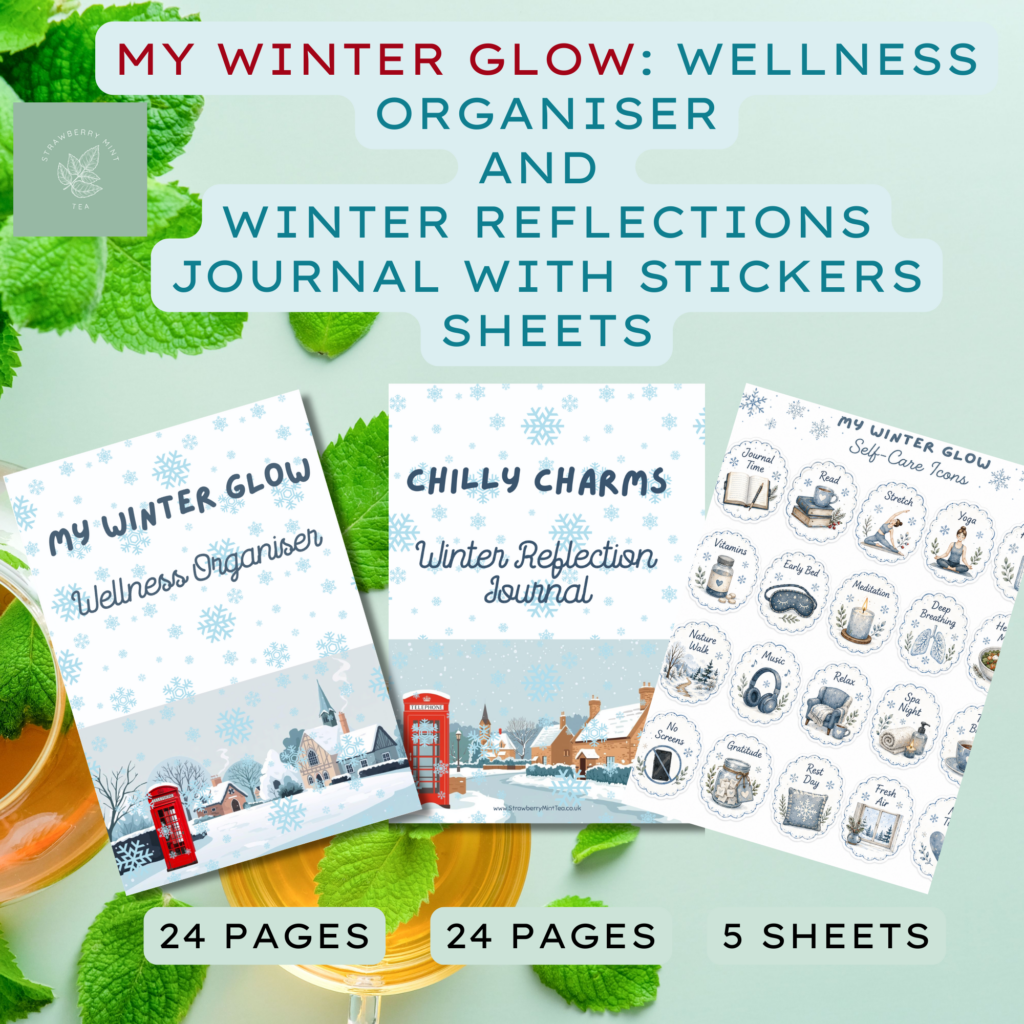
Winter Wellness & Reflection Bundle: Glow Organiser and Chilly Charm Journal – Seasonal Self-Care Kit
Enjoy the Winter Season with Our Exclusive ‘Winter Glow & Chilly Charm’ Wellness Bundle
Discover the perfect companion for your winter wellness journey with our meticulously crafted bundle, featuring the ‘My Winter Glow Wellness Organiser’ and ‘Chilly Charm Reflection Journal’. Designed to inspire and support your self-care and reflection through the colder months, this duo is your ultimate toolkit for a balanced, joyful winter.
Before you go, check our latest blog posts:
- How to Bring a Little Gilmore Girls Autumn Into Your Life
- 25 Things to Do Before Autumn Ends
- How to Enjoy Rainy and Gloomy Days: Finding Freedom in Grey Weather
- How to Plan Your Week When You Hate Planners
- 25 Freedom-Inspired Walk Ideas in Britain